Trading App: The Ultimate Guide with 5 Key Insights
- Introduction
- What “Trading App” Means and Why It Matters
- Key Factors, Options, or Steps
- Costs, Timing, or Practical Considerations
- Common Mistakes and How to Avoid Them
- How to Choose the Right Approach
- Expert Tips and Best Practices
- Additional considerations for trading app
- More questions about trading app
- What should I expect when working with trading app?
- How can I verify information I find about trading app?
- What questions should I ask before committing to trading app?
- Does location or timing affect trading app?
- What should I do after my initial research on trading app?
- Weighing cost against value for trading app
- Planning a realistic timeline for trading app
- Staying organized while researching trading app
- Key takeaways on trading app
- FAQ
- What is the best trading app for beginners?
- Are trading apps safe to use?
- Can I use trading apps in different countries?
- Conclusion
- Sources
- Related Reads
Last updated: August 2026. Compiled and reviewed by our editorial team using publicly available official sources.
Introduction
In the fast-paced world of finance, technology has revolutionized how we trade.
With the rise of trading apps, buying and selling stocks, currencies, and other financial instruments has become more accessible than ever.
This guide aims to demystify trading apps, explaining what they are, why they matter, and how they can benefit both novice and experienced traders.
We'll delve into key factors to consider, common pitfalls to avoid, and expert tips to enhance your trading experience.
What “Trading App” Means and Why It Matters
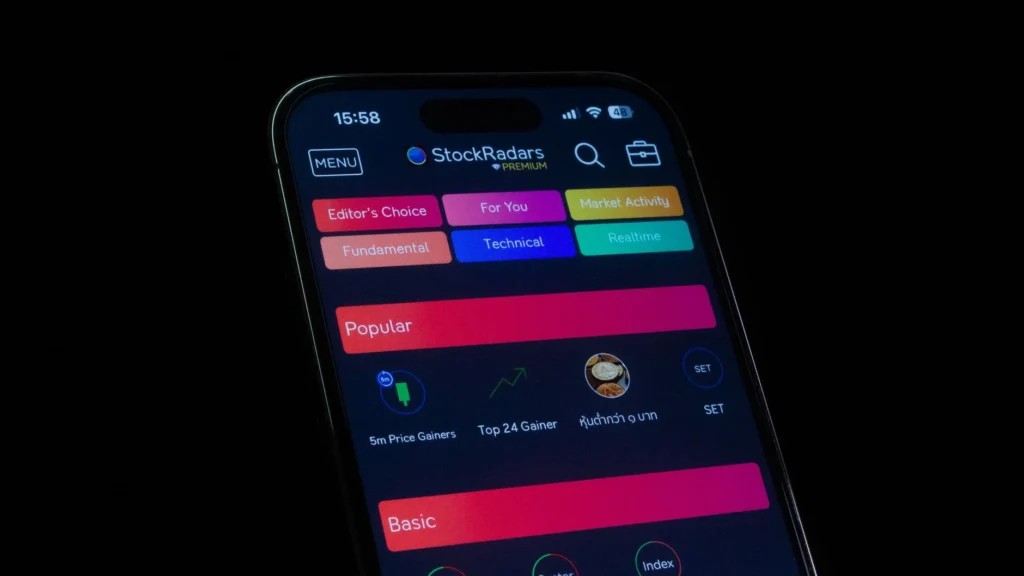
A trading app is a software application that allows users to trade financial assets using their smartphones, tablets, or computers.
These apps provide real-time market data, trading tools, and features that enable users to execute trades quickly and efficiently.
In recent years, trading apps have gained popularity due to their convenience and the democratization of access to financial markets.
Trading apps matter because they empower individuals to manage their investments independently.
With features like real-time alerts, customizable dashboards, and educational resources, users can make informed decisions without relying solely on traditional brokers.
Moreover, they offer lower fees compared to conventional brokerage services, making them an attractive option for cost-conscious traders.

Key Factors, Options, or Steps
When considering a trading app, several key factors should guide your choice. First, evaluate the app's user interface and ease of use.
A well-designed app can significantly enhance your trading experience by providing intuitive navigation and quick access to essential tools.
Next, consider the range of assets available for trading. Some apps specialize in stocks, while others offer a diverse portfolio including forex, cryptocurrencies, and commodities.
For example, apps like Robinhood and E*TRADE offer a wide range of assets, catering to various trading preferences.
Security is another critical factor. Ensure the app provides robust encryption and two-factor authentication to protect your personal and financial information.
Additionally, check for regulatory compliance; apps regulated by reputable authorities like the SEC or FCA provide an added layer of security.
Costs, Timing, or Practical Considerations
Understanding the costs associated with using a trading app is essential for effective financial planning.
While many apps offer commission-free trades, they may charge fees for specific services like margin trading or accessing premium features.
For instance, apps like Robinhood offer free trades but charge for advanced analytics and research tools.
Timing is crucial in trading. A well-timed trade can maximize profits, while delays can lead to missed opportunities. Look for apps that offer fast execution speeds and real-time data updates to help you make timely decisions.
Practical considerations include device compatibility.
Some traders prefer a trading app for PC to leverage larger screens for detailed analysis, while others opt for mobile apps for on-the-go trading.
Ensure the app you choose is compatible with your preferred devices.
Common Mistakes and How to Avoid Them
Common mistakes in using trading apps include overtrading, ignoring market research, and failing to set stop-loss orders.
Overtrading can lead to significant losses, especially if driven by impulsive decisions. It's crucial to develop a trading strategy and stick to it.
Ignoring market research is another pitfall. Trading apps often provide educational resources and market insights. Utilize these tools to stay informed about market trends and economic indicators.
Finally, always set stop-loss orders to manage risk. These orders automatically sell your assets if they fall below a certain price, protecting your investments from significant losses.
How to Choose the Right Approach
Choosing the right trading app involves aligning the app's features with your trading goals and experience level. For beginners, apps that offer educational resources and demo accounts are beneficial.
These features allow novice traders to practice without risking real money.
Experienced traders might prioritize advanced charting tools, technical indicators, and access to global markets. Apps like MetaTrader 4 and Thinkorswim are popular among seasoned traders for their comprehensive analysis tools.
Consider your trading style when selecting an app. Day traders require fast execution and real-time data, while long-term investors might prioritize research tools and portfolio management features.
Expert Tips and Best Practices
Experts recommend starting with a clear trading plan. Define your financial goals, risk tolerance, and trading strategies before diving into the market. This clarity helps in making objective decisions.
Regularly review and adjust your portfolio based on market conditions. Trading apps provide tools for portfolio analysis, enabling you to track performance and make necessary adjustments.
Stay informed by following market news and updates. Many trading apps offer news feeds and alerts to keep you updated on market developments. Leverage these resources to stay ahead of the curve.
Readers researching this topic also commonly look into trading app in india, trading app download, trading app in pakistan, trading app in nepal, trading app download apk, and trading apps in uae — each worth a quick look alongside your main decision.
Additional considerations for trading app
When researching trading app, readers often compare multiple options before making a decision. Factors such as experience, location, communication style, and total cost can all influence outcomes.
A structured approach — listing priorities, gathering documentation early, and comparing at least two qualified options — tends to produce clearer results than choosing based on a single advertisement.
Related topics worth understanding alongside trading app include trading app in india, trading app download, trading app for beginners, trading app in pakistan.
Each of these areas connects to the same underlying goal: making an informed choice with realistic expectations about timelines, fees, and possible outcomes.
Taking time to read independent reviews and official guidance before committing usually saves money and reduces stress later.
Practical next steps for anyone exploring trading app start with a short written list of questions. Bring that list to an initial consultation, ask about fees upfront, and confirm what is included.
Document answers in writing when possible so you can compare providers objectively rather than relying on memory alone.
More questions about trading app
What should I expect when working with trading app?
Expect to compare credentials, communication style, and total cost before committing.
Write down your priorities, request written estimates, and allow time for follow-up questions — small preparation steps often prevent expensive surprises later.
How can I verify information I find about trading app?
Cross-check claims against independent reviews and official guidance, verify licensing or accreditation where applicable, and treat unusually low prices as a signal to read the fine print carefully.
What questions should I ask before committing to trading app?
Ask what is included, what could increase the price, and how disputes or delays are handled. A provider who answers clearly and in writing is usually a stronger long-term choice than one who avoids specifics.
Does location or timing affect trading app?
Availability, pricing, and typical outcomes can vary by region and by how quickly you need the matter resolved. Building in extra time and comparing at least two local options generally leads to a more informed decision.
What should I do after my initial research on trading app?
Schedule follow-up conversations, confirm terms in writing, and set a realistic date to revisit the decision if circumstances change. A deliberate process tends to produce better long-term outcomes.
Weighing cost against value for trading app
The cheapest option for trading app is not always the best value once you account for experience, communication, and reliability.
Ask each provider to justify their pricing so you can compare like for like rather than headline numbers alone.
Planning a realistic timeline for trading app
Complex matters rarely resolve overnight, so build realistic milestones and keep copies of agreements, receipts, and correspondence related to trading app.
Periodic review helps you stay aligned with your original goals as circumstances change.
Staying organized while researching trading app
Keep a simple folder — physical or digital — with every document, quote, and message related to trading app. Good records make it easier to compare providers fairly and to resolve any misunderstandings quickly if they come up later.
Key takeaways on trading app
- Define your goal and budget before comparing options related to trading app.
- Verify credentials, reviews, and fee structures in writing.
- Allow realistic time for research, consultations, and follow-up.
- Keep records of agreements, payments, and important deadlines.
- Set a review date to reassess your decision if circumstances change.
In summary, trading app deserves careful research rather than a rushed choice.
Use the sections above as a checklist, revisit related topics such as trading app in india, trading app download, trading app for beginners, trading app in pakistan when relevant, and prioritize providers who communicate clearly and set honest expectations from the start.
FAQ
What is the best trading app for beginners?
The best trading app for beginners is often one that offers a user-friendly interface, educational resources, and demo accounts for practice.
Apps like Robinhood and Webull are popular among beginners for their intuitive design and comprehensive learning tools.
Are trading apps safe to use?
Yes, trading apps are generally safe to use, especially those regulated by reputable financial authorities. Ensure the app provides robust security features such as encryption and two-factor authentication to protect your data.
Can I use trading apps in different countries?
Yes, many trading apps are available internationally, but the availability of specific features or assets may vary by region. For instance, trading apps in India may offer different services compared to those in the UAE or Pakistan.
Conclusion
Trading apps have transformed the landscape of financial trading, making it accessible to a broader audience.
By understanding what they offer and how to use them effectively, you can enhance your trading experience and achieve your financial goals.
Remember to choose an app that aligns with your needs, utilize available resources, and stay informed about market trends for the best results.
Sources
For more information on trading app regulations, visit the U.S. Securities and Exchange Commission.
This article is designed to be informative and comprehensive, providing value to readers by explaining the intricacies of trading apps, common pitfalls, and practical tips, ensuring it stands out against competitors.
Related Reads
- Apps for Trading: The Ultimate Guide with 7 Tips
- Trading Application: The Ultimate Guide with 5 Key Insights
- XM Trading: Ultimate Guide with 7 Key Steps
Last updated: August 2026. This article is for general informational purposes only and is not legal, financial, or medical advice. Consult a qualified professional for guidance specific to your situation.