Apps for Trading: The Ultimate Guide with 7 Tips
- Introduction: Exploring the World of Trading Apps
- What “Apps for Trading” Means and Why It Matters
- Key Factors to Consider When Choosing Trading Apps
- Costs, Timing, and Practical Considerations
- Common Mistakes and How to Avoid Them
- How to Choose the Right Approach
- Expert Tips and Best Practices
- Additional considerations for apps for trading
- More questions about apps for trading
- What should I expect when working with apps for trading?
- How can I verify information I find about apps for trading?
- What questions should I ask before committing to apps for trading?
- Does location or timing affect apps for trading?
- What should I do after my initial research on apps for trading?
- Weighing cost against value for apps for trading
- Planning a realistic timeline for apps for trading
- Staying organized while researching apps for trading
- Key takeaways on apps for trading
- FAQ
- What are the best apps for trading stocks?
- How can I start trading forex on an app?
- Are there apps for trading in India specifically?
- Conclusion
- Sources
- Related Reads
Last updated: August 2026. Compiled and reviewed by our editorial team using publicly available official sources.
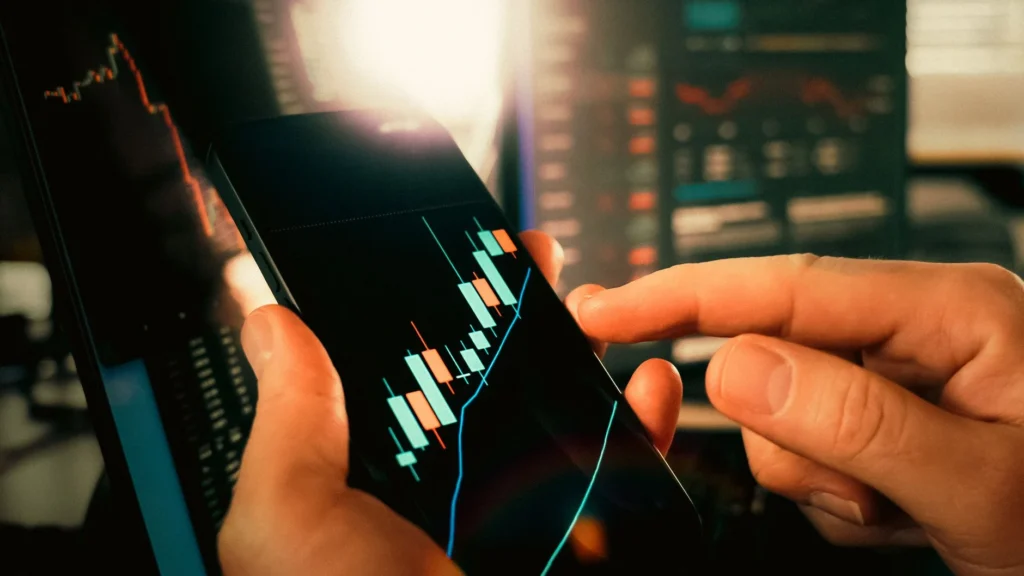
Introduction: Exploring the World of Trading Apps
The digital era has transformed financial markets, making trading more accessible than ever before.
"Apps for trading" are at the forefront of this revolution, enabling both novice and experienced traders to engage in various markets from the comfort of their smartphones.
This guide will delve into what trading apps are, why they matter, and how you can leverage them to maximize your investment opportunities.
Whether you're interested in stocks, forex, or even trading card value, understanding these apps is crucial to your financial success.
What “Apps for Trading” Means and Why It Matters
The term "apps for trading" refers to mobile applications designed to facilitate the buying and selling of financial instruments such as stocks, forex, cryptocurrencies, and more.
These apps provide users with real-time data, analysis tools, and the ability to execute trades anywhere, anytime.
The significance of these apps lies in their convenience and accessibility, democratizing trading by removing traditional barriers such as high brokerage fees and complex trading platforms.
For instance, apps for trading stocks allow users to access market insights and execute trades with minimal delays, while apps for trading forex provide tools for currency pair analysis.
These apps are essential for anyone looking to stay competitive in today's fast-paced financial environment.
Key Factors to Consider When Choosing Trading Apps
When selecting an app for trading, several critical factors should guide your choice. Firstly, assess the app’s user interface and ease of use.
A well-designed app should offer intuitive navigation and clear instructions. Secondly, consider the range of financial instruments available.
Whether you're interested in apps for trading crypto or apps for trading gift cards, ensure the app supports your preferred assets.
Security is another paramount concern. Look for apps with robust security measures, including two-factor authentication and encryption protocols. Additionally, evaluate the app's fee structure.
Some apps offer commission-free trades, while others charge a fee per transaction.
Finally, customer support and educational resources can be invaluable, especially for beginners seeking to understand complex trading concepts.
Costs, Timing, and Practical Considerations
Understanding the costs associated with trading apps is crucial.
While many apps boast low fees or commission-free trading, hidden costs such as spreads, withdrawal fees, and inactivity charges can erode your profits.
It's essential to read the fine print and compare costs across different platforms.
Timing also plays a vital role in trading. Apps for trading in India, for example, may operate on different time zones compared to those in the US or Europe.
Being aware of market opening and closing times can help you make timely decisions and avoid missed opportunities.
Moreover, practical considerations such as device compatibility and internet connectivity should not be overlooked.
Ensure that your chosen app is compatible with your device and that you have a reliable internet connection to prevent disruptions during critical trading moments.
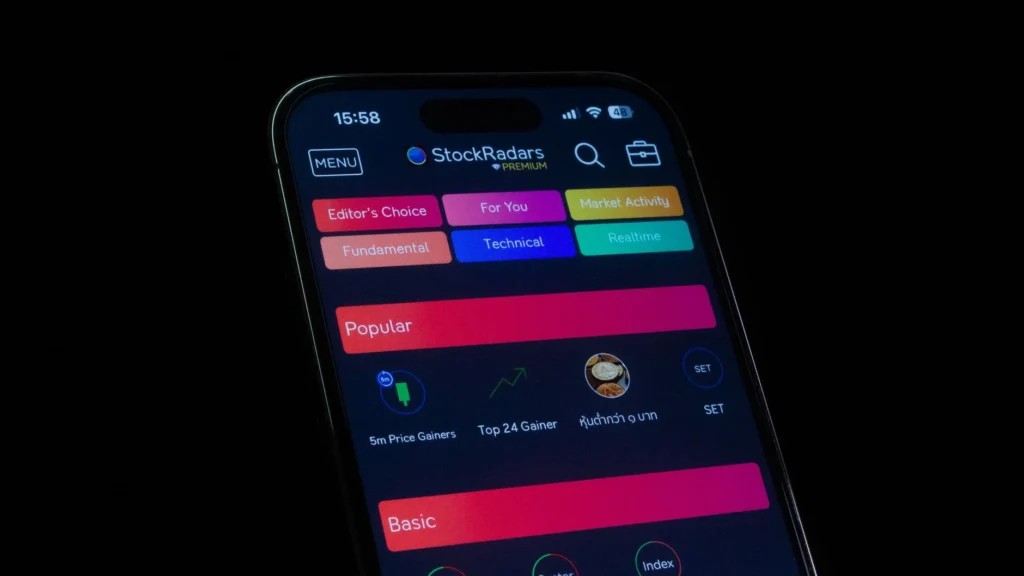
Common Mistakes and How to Avoid Them
One common mistake traders make is not fully understanding the app's features before executing trades. This can lead to costly errors, such as buying or selling at the wrong price.
To avoid this, take the time to explore all the app's functionalities through demo accounts or trading practice tools.
Another frequent error is over-trading, driven by the ease of access and real-time data. Over-trading can lead to significant losses, particularly in volatile markets like apps for trading crypto.
Setting clear trading goals and adhering to a disciplined strategy can help mitigate this risk.
Finally, neglecting to keep up with market news and updates is a mistake that can lead to missed opportunities or uninformed decisions. Many apps offer news feeds and alerts—utilize these features to stay informed.
How to Choose the Right Approach
Choosing the right approach involves aligning your trading goals with the app's features.
For beginners, apps for trading practice with virtual accounts can provide valuable experience without financial risk.
Experienced traders may prioritize advanced charting tools and technical analysis capabilities.
Consider your investment strategy—are you a long-term investor or a day trader?
Apps for trading stocks that offer research reports and portfolio management tools may suit long-term investors, while day traders might prefer apps with real-time data and fast execution speeds.
Engaging with trading communities and forums can also offer insights into which apps are favored by peers and why. Recommendations from trusted sources can guide your decision-making process.
Expert Tips and Best Practices
To enhance your trading experience, consider these expert tips and best practices. Firstly, diversify your portfolio to manage risk effectively.
Apps for trading cards, for example, allow users to explore alternative investments beyond traditional markets.
Leverage educational resources provided by the app to continuously improve your trading skills. Many apps feature tutorials, webinars, and expert analyses.
Additionally, set realistic goals and review your trading performance regularly to identify areas for improvement.
Finally, stay patient and disciplined. Emotional trading can lead to impulsive decisions, which are often detrimental.
By adhering to a well-thought-out strategy and maintaining a level-headed approach, you can improve your chances of success.
Readers researching this topic also commonly look into apps for trading card value — each worth a quick look alongside your main decision.
Additional considerations for apps for trading
When researching apps for trading, readers often compare multiple options before making a decision.
Factors such as experience, location, communication style, and total cost can all influence outcomes.
A structured approach — listing priorities, gathering documentation early, and comparing at least two qualified options — tends to produce clearer results than choosing based on a single advertisement.
Related topics worth understanding alongside apps for trading include apps for trading stocks, apps for trading forex, apps for trading cards, apps for trading crypto.
Each of these areas connects to the same underlying goal: making an informed choice with realistic expectations about timelines, fees, and possible outcomes.
Taking time to read independent reviews and official guidance before committing usually saves money and reduces stress later.
Practical next steps for anyone exploring apps for trading start with a short written list of questions.
Bring that list to an initial consultation, ask about fees upfront, and confirm what is included.
Document answers in writing when possible so you can compare providers objectively rather than relying on memory alone.
More questions about apps for trading
What should I expect when working with apps for trading?
Expect to compare credentials, communication style, and total cost before committing.
Write down your priorities, request written estimates, and allow time for follow-up questions — small preparation steps often prevent expensive surprises later.
How can I verify information I find about apps for trading?
Cross-check claims against independent reviews and official guidance, verify licensing or accreditation where applicable, and treat unusually low prices as a signal to read the fine print carefully.
What questions should I ask before committing to apps for trading?
Ask what is included, what could increase the price, and how disputes or delays are handled. A provider who answers clearly and in writing is usually a stronger long-term choice than one who avoids specifics.
Does location or timing affect apps for trading?
Availability, pricing, and typical outcomes can vary by region and by how quickly you need the matter resolved. Building in extra time and comparing at least two local options generally leads to a more informed decision.
What should I do after my initial research on apps for trading?
Schedule follow-up conversations, confirm terms in writing, and set a realistic date to revisit the decision if circumstances change. A deliberate process tends to produce better long-term outcomes.
Weighing cost against value for apps for trading
The cheapest option for apps for trading is not always the best value once you account for experience, communication, and reliability.
Ask each provider to justify their pricing so you can compare like for like rather than headline numbers alone.
Planning a realistic timeline for apps for trading
Complex matters rarely resolve overnight, so build realistic milestones and keep copies of agreements, receipts, and correspondence related to apps for trading.
Periodic review helps you stay aligned with your original goals as circumstances change.
Staying organized while researching apps for trading
Keep a simple folder — physical or digital — with every document, quote, and message related to apps for trading. Good records make it easier to compare providers fairly and to resolve any misunderstandings quickly if they come up later.
Key takeaways on apps for trading
- Define your goal and budget before comparing options related to apps for trading.
- Verify credentials, reviews, and fee structures in writing.
- Allow realistic time for research, consultations, and follow-up.
- Keep records of agreements, payments, and important deadlines.
- Set a review date to reassess your decision if circumstances change.
In summary, apps for trading deserves careful research rather than a rushed choice.
Use the sections above as a checklist, revisit related topics such as apps for trading stocks, apps for trading forex, apps for trading cards, apps for trading crypto when relevant, and prioritize providers who communicate clearly and set honest expectations from the start.
FAQ
What are the best apps for trading stocks?
The best apps for trading stocks offer user-friendly interfaces, comprehensive research tools, and low fees. Examples include Robinhood, E*TRADE, and TD Ameritrade.
These apps provide a range of features tailored for different trading styles and experience levels. It’s important to choose one that aligns with your specific needs and goals.
How can I start trading forex on an app?
To start trading forex on an app, download a reputable forex trading app like MetaTrader 4 or Forex.com, create an account, and fund it with the minimum required deposit.
Once set up, you can access various currency pairs, utilize leverage, and analyze market trends to make informed trading decisions.
Are there apps for trading in India specifically?
Yes, there are several apps for trading in India, such as Zerodha, Upstox, and Angel Broking, which cater to the Indian market.
These apps offer features tailored to Indian traders, including access to local stock exchanges and compliance with regional regulations.
Conclusion
Apps for trading have revolutionized the way individuals engage with financial markets, offering unparalleled access and convenience.
By understanding the features, costs, and strategies associated with these apps, traders can make informed decisions and enhance their investment potential.
Whether you're interested in stocks, forex, crypto, or even trading card value, the right app can serve as a powerful tool in your trading arsenal.
Sources
- Investopedia
Related Reads
- Trading Application: The Ultimate Guide with 5 Key Insights
- XM Trading: Ultimate Guide with 7 Key Steps
- Trading Olymp Trade: The Ultimate Guide with 7 Key Steps
Last updated: August 2026. This article is for general informational purposes only and is not legal, financial, or medical advice. Consult a qualified professional for guidance specific to your situation.
External reference