Trading: The Ultimate Guide with 7 Key Steps
- Introduction
- What Trading Means and Why It Matters
- Key Factors, Options, or Steps
- Costs, Timing, or Practical Considerations
- Common Mistakes and How to Avoid Them
- How to Choose the Right Approach
- Expert Tips and Best Practices
- Additional considerations for trading
- More questions about trading
- What should I expect when working with trading?
- How can I verify information I find about trading?
- What questions should I ask before committing to trading?
- Does location or timing affect trading?
- What should I do after my initial research on trading?
- Weighing cost against value for trading
- Planning a realistic timeline for trading
- Staying organized while researching trading
- Key takeaways on trading
- FAQ
- What is the best trading platform for beginners?
- How can I minimize risks in trading?
- Is trading suitable for everyone?
- Conclusion
- Sources
- Related Reads
Last updated: August 2026. Compiled and reviewed by our editorial team using publicly available official sources.
Introduction
trading plays a crucial role in providing liquidity and enabling price discovery.
Whether you're a seasoned investor or a beginner looking to explore the financial markets, understanding the fundamentals of trading is essential.
This guide will take you through the essentials of trading, covering what it means, why it matters, and how to get started.
We'll delve into key factors, common mistakes, and expert tips to help you navigate the complexities of trading with confidence.
What Trading Means and Why It Matters
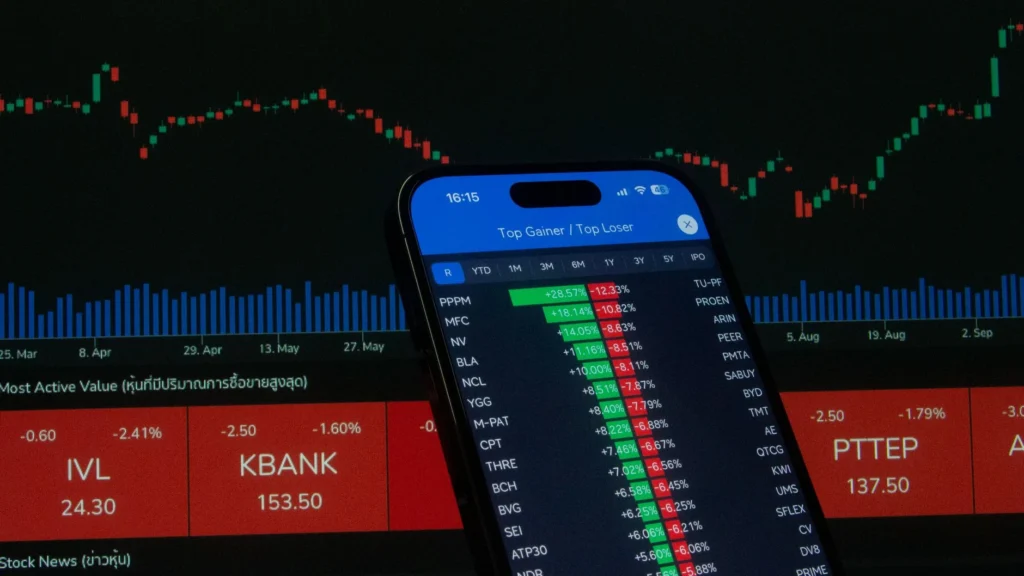
At its core, trading refers to the buying and selling of financial instruments, such as stocks, bonds, currencies, and commodities, with the aim of making a profit.
Trading can be conducted on various platforms, including exchanges and over-the-counter markets.
It is a vital component of the financial system, as it facilitates the allocation of resources and provides investors with opportunities to grow their wealth.
Trading economics plays a significant role in the global economy by influencing interest rates, inflation, and growth.
The ability to trade efficiently is crucial for both individual investors and large financial institutions.
By engaging in trading, participants contribute to market efficiency, ensuring that prices reflect all available information.
Key Factors, Options, or Steps
Embarking on a trading journey involves understanding several key factors and steps. First, it's essential to set clear financial goals and determine your risk tolerance.
This will guide your trading strategy and help you select the appropriate financial instruments.
Next, selecting the right trading app or platform is crucial. Popular platforms like Trading 212 and TradingView offer user-friendly interfaces and a wide range of tools for analysis.
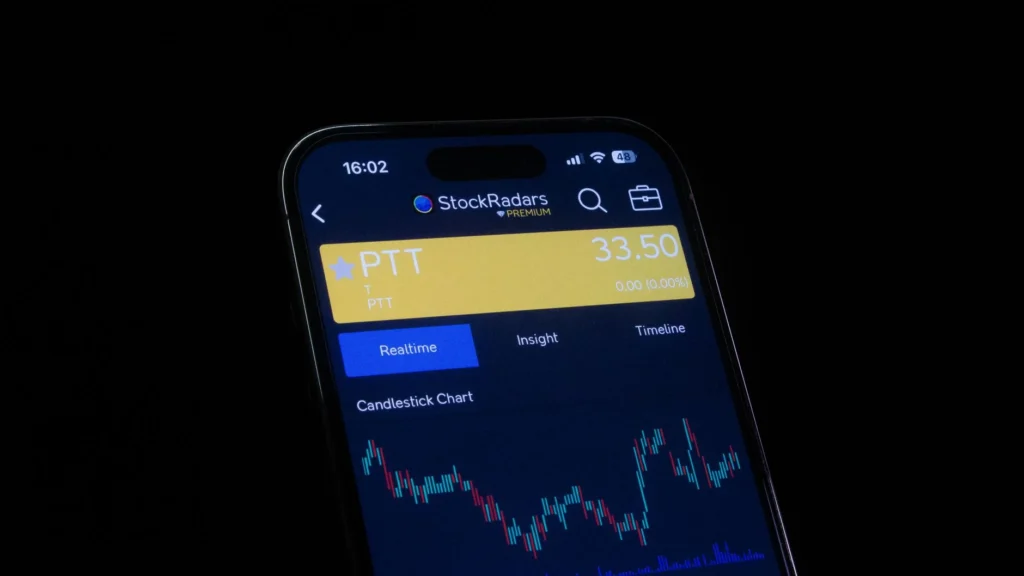
For instance, TradingView charts provide a visual representation of market data, enabling traders to make informed decisions.
Once you've chosen a platform, it's important to develop a robust trading plan. This should include entry and exit strategies, position sizing, and risk management techniques.
Regularly reviewing and refining your plan will help you stay disciplined and adapt to changing market conditions.
Costs, Timing, or Practical Considerations
Understanding the associated costs is crucial. These can include broker fees, spreads, and commissions, which vary depending on the platform and the type of trading.
For example, some platforms offer commission-free trading, while others charge a percentage of the transaction.
Timing is another critical factor in trading. Market conditions can change rapidly, and being able to execute trades at the right moment is essential for success.
Utilizing tools like TradingView download can help you stay updated with real-time market data and alerts.
Additionally, practical considerations such as market hours, liquidity, and volatility must be taken into account.
Understanding these factors will enable you to make more informed trading decisions and optimize your strategies for different market environments.
Common Mistakes and How to Avoid Them
One of the most common mistakes traders make is failing to conduct thorough research before making trades. Relying solely on tips or rumors can lead to significant losses.
Instead, use reliable sources and tools like TradingView charts for analysis.
Overtrading is another pitfall to avoid. It can lead to increased transaction costs and emotional stress. To prevent overtrading, stick to your trading plan and avoid making impulsive decisions.
Lastly, neglecting risk management is a critical error. Setting stop-loss orders and diversifying your portfolio can help mitigate potential losses.
By being aware of these common mistakes, you can develop strategies to avoid them and improve your trading performance.
How to Choose the Right Approach
Choosing the right trading approach depends on your financial goals, risk tolerance, and market knowledge. For beginners, starting with a demo account is advisable.
This allows you to practice trading without risking real money and gain confidence in your strategies.
Consider whether you prefer short-term trading, such as day trading or swing trading, or long-term investing. Each approach has its benefits and drawbacks, and the best choice depends on your personal preferences and circumstances.
It’s also important to stay informed about market trends and economic indicators. Resources like Trading economics provide valuable insights into factors that influence market movements, helping you make more informed decisions.
Expert Tips and Best Practices
Successful traders often follow a set of best practices to enhance their performance. Firstly, continuous learning is key. The financial markets are dynamic, and staying updated with the latest trends and strategies is crucial for success.
Networking with other traders can also be beneficial. Engaging with trading communities, whether online or in-person, allows you to share insights, learn from others, and gain different perspectives.
Lastly, maintaining a trading journal is a valuable practice. Recording your trades, strategies, and outcomes helps you analyze your performance and identify areas for improvement.
By implementing these expert tips, you can enhance your trading skills and achieve your financial goals.
Readers researching this topic also commonly look into trading places and trading chart — each worth a quick look alongside your main decision.
Additional considerations for trading
When researching trading, readers often compare multiple options before making a decision. Factors such as experience, location, communication style, and total cost can all influence outcomes.
A structured approach — listing priorities, gathering documentation early, and comparing at least two qualified options — tends to produce clearer results than choosing based on a single advertisement.
Related topics worth understanding alongside trading include tradingview, trading 212, trading app, tradingview chart.
Each of these areas connects to the same underlying goal: making an informed choice with realistic expectations about timelines, fees, and possible outcomes.
Taking time to read independent reviews and official guidance before committing usually saves money and reduces stress later.
Practical next steps for anyone exploring trading start with a short written list of questions. Bring that list to an initial consultation, ask about fees upfront, and confirm what is included.
Document answers in writing when possible so you can compare providers objectively rather than relying on memory alone.
More questions about trading
What should I expect when working with trading?
Expect to compare credentials, communication style, and total cost before committing.
Write down your priorities, request written estimates, and allow time for follow-up questions — small preparation steps often prevent expensive surprises later.
How can I verify information I find about trading?
Cross-check claims against independent reviews and official guidance, verify licensing or accreditation where applicable, and treat unusually low prices as a signal to read the fine print carefully.
What questions should I ask before committing to trading?
Ask what is included, what could increase the price, and how disputes or delays are handled. A provider who answers clearly and in writing is usually a stronger long-term choice than one who avoids specifics.
Does location or timing affect trading?
Availability, pricing, and typical outcomes can vary by region and by how quickly you need the matter resolved. Building in extra time and comparing at least two local options generally leads to a more informed decision.
What should I do after my initial research on trading?
Schedule follow-up conversations, confirm terms in writing, and set a realistic date to revisit the decision if circumstances change. A deliberate process tends to produce better long-term outcomes.
Weighing cost against value for trading
The cheapest option for trading is not always the best value once you account for experience, communication, and reliability. Ask each provider to justify their pricing so you can compare like for like rather than headline numbers alone.
Planning a realistic timeline for trading
Complex matters rarely resolve overnight, so build realistic milestones and keep copies of agreements, receipts, and correspondence related to trading. Periodic review helps you stay aligned with your original goals as circumstances change.
Staying organized while researching trading
Keep a simple folder — physical or digital — with every document, quote, and message related to trading. Good records make it easier to compare providers fairly and to resolve any misunderstandings quickly if they come up later.
Key takeaways on trading
- Define your goal and budget before comparing options related to trading.
- Verify credentials, reviews, and fee structures in writing.
- Allow realistic time for research, consultations, and follow-up.
- Keep records of agreements, payments, and important deadlines.
- Set a review date to reassess your decision if circumstances change.
In summary, trading deserves careful research rather than a rushed choice.
Use the sections above as a checklist, revisit related topics such as tradingview, trading 212, trading app, tradingview chart when relevant, and prioritize providers who communicate clearly and set honest expectations from the start.
FAQ
What is the best trading platform for beginners?
The best trading platform for beginners is one that offers user-friendly features, educational resources, and low fees. Trading 212 is a popular choice due to its intuitive interface and demo account feature.
How can I minimize risks in trading?
To minimize risks in trading, use risk management tools such as stop-loss orders, diversify your portfolio, and avoid overleveraging. Regularly reviewing and adjusting your trading plan can also help mitigate risks.
Is trading suitable for everyone?
Trading is not suitable for everyone as it involves significant risks. It’s important to assess your financial situation, risk tolerance, and investment goals before engaging in trading activities.
Conclusion
Trading offers exciting opportunities for financial growth, but it requires knowledge, discipline, and a strategic approach.
By understanding the fundamentals, avoiding common mistakes, and following expert tips, you can enhance your trading performance and achieve your financial objectives.
Whether you're using platforms like Trading 212 or tools like TradingView, staying informed and continuously improving your skills will set you on the path to success.
Sources
(Note: The content above is a structured HTML response and should be used in a suitable environment that supports HTML rendering.)
Related Reads
- Quotex Trading: Ultimate Guide with 7 Key Insights
- Today’s Forex Rates: Ultimate Guide with 5 Key Insights
- Forex Rate for Today: Ultimate Guide with 5 Key Insights
Last updated: August 2026. This article is for general informational purposes only and is not legal, financial, or medical advice. Consult a qualified professional for guidance specific to your situation.