HomeBuyers survey – Research-Based Overview of HomeBuyers survey
- What is a HomeBuyers Survey?
- Types of HomeBuyers Surveys
- HomeBuyers Survey Cost
- Is a HomeBuyers Survey Worth It?
- Benefits of Conducting a HomeBuyers Survey
- How Long Does a HomeBuyers Survey Take?
- HomeBuyers Survey vs Building Survey
- HomeBuyers Survey Examples
- Finding a HomeBuyers Survey Near You
- Conclusion
- FAQ
- 1. How much is a HomeBuyers survey?
- 2. What does a HomeBuyers survey cover?
- 3. Can I negotiate the price based on a HomeBuyers survey?
- Sources
- Related Reads
When purchasing a home, one crucial step that often gets overlooked is the HomeBuyers survey. This essential assessment can save you from unexpected costs and provide peace of mind.
But what exactly is a HomeBuyers survey, and is it worth the investment? In this guide, we will explore the different types of surveys, their costs, and the benefits they offer to homebuyers.
What is a HomeBuyers Survey?
A HomeBuyers survey is a professional evaluation of a property's condition. Conducted by a qualified surveyor, this assessment highlights any issues that may affect the property's value or safety.
Unlike a simple mortgage valuation, which only confirms the property’s worth, a HomeBuyers survey provides a detailed report on the property's physical state.
It serves as a crucial tool for potential buyers, helping them understand the property they are considering purchasing.
Types of HomeBuyers Surveys
There are several levels of HomeBuyers surveys, each catering to different needs and budgets. The two most common types are:
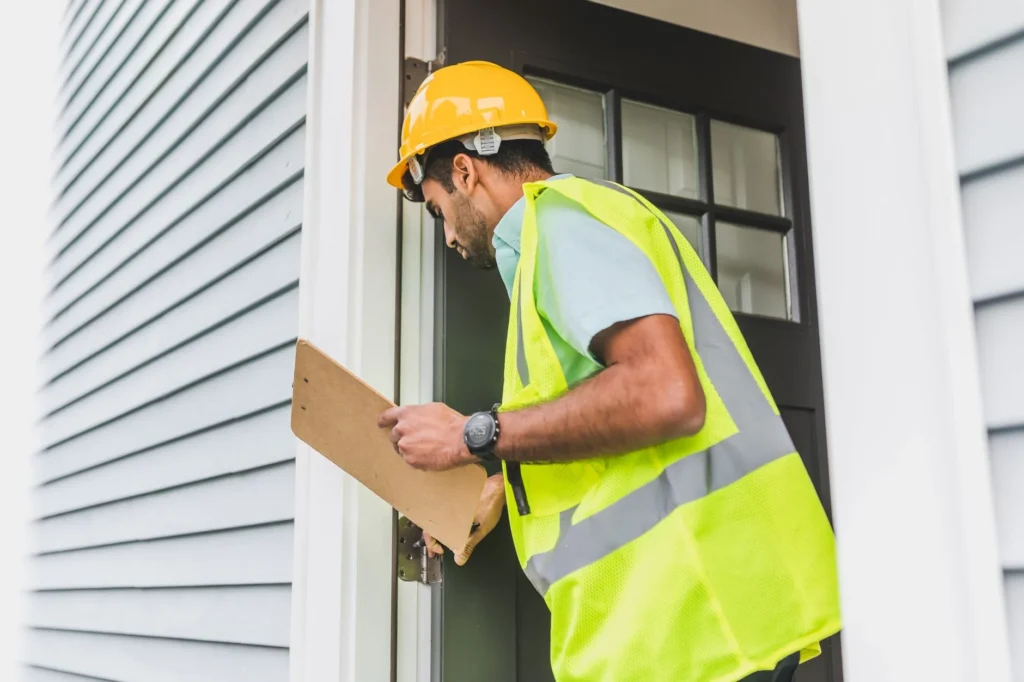
- Level 2 HomeBuyers Survey: This is a more detailed inspection than a basic valuation. It covers significant issues like structural problems, dampness, and any urgent repairs needed. This survey is ideal for standard properties in reasonable condition. It typically includes a visual inspection of the property’s interior and exterior, highlighting any visible defects and providing recommendations for further investigations if necessary.
- Level 3 HomeBuyers Survey: Also known as a building survey, this is the most comprehensive option. It is suitable for older homes or properties that have undergone significant alterations. This survey provides an in-depth analysis of the building’s condition, including a detailed report on repair costs. It also includes a comprehensive assessment of the property’s structure, roof, walls, and services, which is particularly beneficial for buyers considering older or unique properties.
HomeBuyers Survey Cost
The cost of a HomeBuyers survey varies based on the property type, location, and the level of detail required.
Generally, a Level 2 HomeBuyers survey costs between £400 to £1,500, while a Level 3 survey can range from £600 to £2,000 or more. Factors influencing these costs include:
- Location: For example, a HomeBuyers survey in Kensington may cost more than in other areas due to higher demand and property values.
- Type of property: Older homes often require more detailed surveys because of potential hidden issues that may not be present in newer builds.
- Surveyor’s experience and qualifications: More experienced surveyors may charge higher fees but often provide more thorough and reliable assessments.
Is a HomeBuyers Survey Worth It?
One of the most frequently asked questions is, "HomeBuyers survey, is it worth it?" The answer largely depends on your situation.
A HomeBuyers survey can identify potential issues that might not be visible during a casual viewing.
By revealing hidden problems, you can negotiate repairs or adjust your offer before finalizing the purchase.
For instance, if a survey uncovers significant damp issues, you might be able to negotiate a lower purchase price or request that the seller addresses the problem before you proceed with the sale.
Benefits of Conducting a HomeBuyers Survey
Here are seven proven benefits of a HomeBuyers survey that make it a worthwhile investment:
- Identify Hidden Issues: A HomeBuyers survey can uncover structural problems, dampness, and other concerns that could lead to costly repairs later. For example, a survey might reveal that the roof needs immediate attention, which could cost thousands of pounds if not addressed.
- Negotiation Power: With a comprehensive report in hand, you can negotiate the purchase price or request repairs from the seller. This leverage can significantly impact your overall spending on the property.
- Peace of Mind: Knowing the property’s condition can reduce anxiety and help you make informed decisions. This peace of mind is especially valuable in a competitive housing market where buyers often feel pressured to act quickly.
- Future Planning: The survey can highlight future maintenance needs, allowing for better financial planning. For instance, if the survey indicates that the boiler is nearing the end of its life, you can budget for its replacement in the coming years.
- Insurance Requirements: Some insurance companies may require a survey for certain types of coverage. Having a thorough report can help you secure the necessary insurance for your new home.
- Potential for Increased Value: Addressing issues found in the survey can increase the overall value of the property. By making necessary repairs, you not only enhance your living conditions but also improve the property’s marketability.
- Legal Protection: A survey can provide legal protection if issues arise post-purchase. If a problem surfaces after the sale that was not disclosed in the survey, you may have grounds for legal recourse against the seller.
How Long Does a HomeBuyers Survey Take?
The duration of a HomeBuyers survey can vary based on property size and complexity.
Generally, a Level 2 HomeBuyers survey takes about 2 to 4 hours, while a Level 3 survey may take longer, sometimes exceeding half a day.
After the inspection, you can expect to receive the report within a week or two.
It's essential to factor in this timeline when planning your home purchase, as it may influence your offer or negotiations with the seller.
HomeBuyers Survey vs Building Survey
When considering a HomeBuyers survey, many buyers wonder about the difference between a HomeBuyers survey and a building survey.
While both serve to assess the property's condition, a building survey (Level 3) offers a much more detailed analysis, making it suitable for older or more complex properties.
In contrast, a Level 2 HomeBuyers survey is more straightforward and cost-effective for standard homes.
Understanding this distinction can help you choose the right survey based on your needs and the property's specifics.
HomeBuyers Survey Examples
To better understand what to expect, let’s look at some examples of HomeBuyers surveys:
- Level 2 HomeBuyers Survey Example: This report might highlight minor damp issues and recommend further investigation, as well as outline essential repairs needed in the next few years. For instance, it may suggest monitoring the dampness levels in the basement and provide tips on how to mitigate any potential issues.
- Level 3 HomeBuyers Survey Example: A comprehensive report detailing structural concerns, electrical issues, and long-term maintenance requirements. This could include recommendations for immediate repairs, such as fixing a leaky roof, and longer-term considerations, like replacing aging electrical wiring.
Finding a HomeBuyers Survey Near You
When searching for a HomeBuyers survey near me, consider local surveyors accredited by the RICS (Royal Institution of Chartered Surveyors).
This accreditation ensures that the surveyor meets professional standards and provides reliable assessments. You can also compare prices and services online to find the best fit for your needs.
Websites like RICS Find a Surveyor can help you locate qualified professionals in your area.
Conclusion
The HomeBuyers survey is an essential step in the home-buying process.
By investing in this thorough inspection, you can save yourself from unexpected expenses and make an informed decision about your new property.
Remember, whether you choose a Level 2 or Level 3 HomeBuyers survey, the insights gained from it can be invaluable in your home-buying journey.
It’s a small price to pay for the peace of mind that comes with knowing your investment is sound.
FAQ
1. How much is a HomeBuyers survey?
The cost typically ranges from £400 to £2,000, depending on the level of detail and property type. It’s advisable to get quotes from multiple surveyors to ensure you’re getting the best value for your money.
2. What does a HomeBuyers survey cover?
A HomeBuyers survey covers the property’s condition, including structural issues, dampness, and repairs needed. It may also include advice on maintenance and any urgent actions required.
3. Can I negotiate the price based on a HomeBuyers survey?
Yes, you can use the findings from the survey to negotiate repairs or adjust the purchase price. A well-documented survey report can strengthen your position during negotiations.
Sources
For more information, check out RICS HomeBuyers Survey Guide. This resource provides comprehensive insights into the HomeBuyers survey process and what to expect.
Related topics covered: homebuyers survey level 2, homebuyers survey is it worth it, homebuyers survey kensington, homebuyers survey luton, homebuyers survey portsmouth, homebuyers survey rics.
Related Reads
- Smart survey oral Surgery – Research-Based Overview of Smart survey oral Surgery
- Smart Survey – Research-Based Overview of Smart Survey
- Asbestos Survey – Research-Based Overview of Asbestos Survey
External reference