Hair Fall Loss Treatment: Ultimate Guide with 5 Proven Tips
- What “Hair Fall Loss Treatment” Means for Patients
- When to Seek Professional Help
- Typical Process, Options, or Treatments
- Video: Understanding Hair Loss Treatments
- Costs, Insurance, and Timing
- Questions to Ask a Provider
- Additional considerations for hair fall loss treatment
- More questions about hair fall loss treatment
- What should I expect when working with hair fall loss treatment?
- How can I verify information I find about hair fall loss treatment?
- What questions should I ask before committing to hair fall loss treatment?
- Does location or timing affect hair fall loss treatment?
- What should I do after my initial research on hair fall loss treatment?
- Weighing cost against value for hair fall loss treatment
- Planning a realistic timeline for hair fall loss treatment
- Staying organized while researching hair fall loss treatment
- Key takeaways on hair fall loss treatment
- FAQ
- Is hair fall loss treatment effective?
- Can alopecia hair loss treatment shampoo help?
- Are there natural treatments for hair fall loss?
- Conclusion
- Sources
- Related Reads
Last updated: August 2026. Compiled and reviewed by our editorial team using publicly available official sources.
Hair fall loss treatment is a topic of great interest for many individuals experiencing hair thinning or baldness.
Understanding the available treatments and when to seek professional help is crucial in managing this condition effectively.
In this guide, we will explore the meaning of hair fall loss treatment, provide advice on when to consult a healthcare provider, discuss typical treatment processes, and offer insights into costs and insurance.
Additionally, we will answer frequently asked questions to help you make informed decisions.
What “Hair Fall Loss Treatment” Means for Patients
Hair fall loss treatment refers to the various methods and procedures used to combat hair thinning and loss.
This condition affects both men and women and can result from genetic factors, hormonal changes, medical conditions, or lifestyle choices.
Treatments aim to slow down hair loss, stimulate regrowth, or both, depending on the underlying cause.
For many patients, addressing hair loss is more than just an aesthetic concern. It can impact self-esteem and emotional well-being.
Understanding the available options can empower individuals to take control of their condition.
Treatments range from topical applications, such as minoxidil, to oral medications, like finasteride, and even surgical interventions like hair transplants.
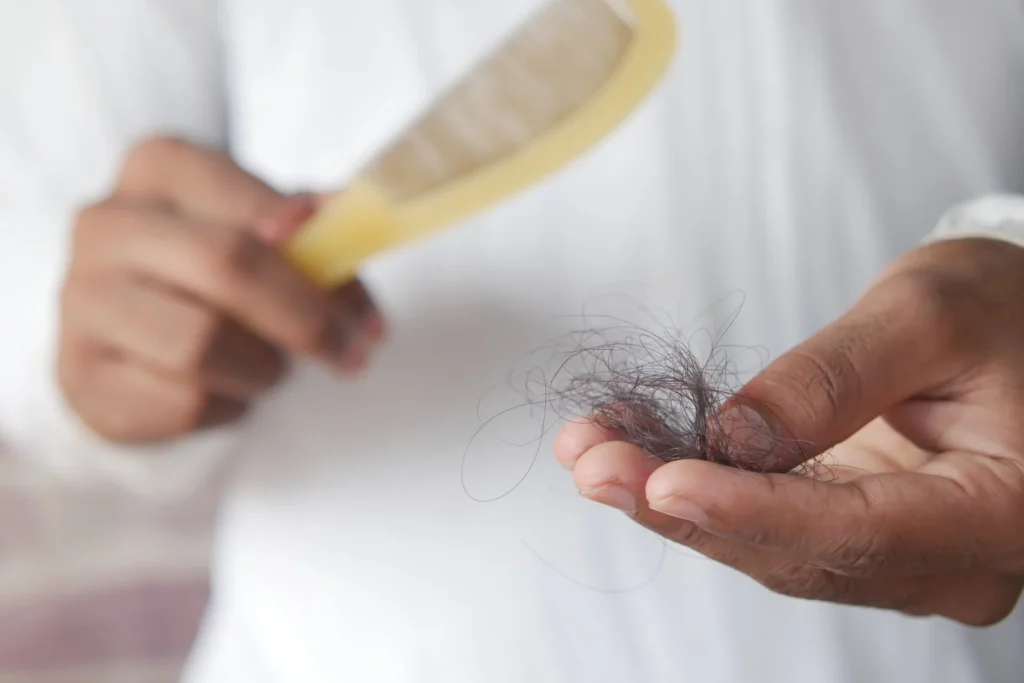
Effective hair fall loss treatment involves a personalized approach, considering the specific needs and causes of hair loss in each individual. Consulting with a healthcare professional can help determine the most suitable treatment path.
When to Seek Professional Help
Recognizing when to seek professional help is crucial in managing hair loss effectively.
If you notice sudden, excessive hair loss, or if hair thinning is accompanied by other symptoms such as itching, redness, or pain, it is important to consult a healthcare provider.
Hair loss can sometimes indicate an underlying medical condition, such as alopecia areata, thyroid disorders, or nutritional deficiencies.
A professional evaluation can help identify these issues and guide appropriate treatment.
Women experiencing alopecia hair loss treatment may benefit from visiting a dermatologist or endocrinologist for a comprehensive assessment.
Additionally, if over-the-counter treatments and lifestyle changes do not yield the desired results, seeking professional advice for advanced therapies or prescription medications might be necessary.

Typical Process, Options, or Treatments
The process of treating hair fall loss varies depending on the cause and severity of the condition. Initial steps often involve lifestyle modifications and the use of topical treatments.
Products like alopecia hair loss treatment shampoo can be beneficial in some cases.
For more persistent cases, medications such as minoxidil and finasteride are commonly prescribed. These drugs help to stimulate hair growth and slow down hair loss.
In cases where these treatments are ineffective, surgical options like hair transplantation may be considered. This procedure involves moving hair follicles from a donor site to the thinning areas.
In addition to medical treatments, some patients explore alopecia hair loss treatment natural methods. These include dietary changes, supplements, and herbal remedies.
While natural treatments can be supportive, they should not replace professional medical advice.
Video: Understanding Hair Loss Treatments
Costs, Insurance, and Timing
The cost of hair fall loss treatment varies widely based on the type of treatment chosen. Topical solutions and medications typically have lower costs compared to surgical options like hair transplantation, which can be quite expensive.
Insurance coverage for hair loss treatments is often limited, as these procedures are considered cosmetic.
However, if hair loss is linked to a medical condition, some insurance plans may cover part of the treatment costs.
It's advisable to check with your insurance provider to understand your coverage options.
Timing also plays a crucial role in treatment success. Early intervention can prevent further hair loss and improve treatment outcomes.
Discussing the expected timeline and results with your healthcare provider can help set realistic expectations.
Questions to Ask a Provider
When consulting with a healthcare provider about hair fall loss treatment, it’s important to ask the right questions to make informed decisions. Consider inquiring about the following:
- What is the underlying cause of my hair loss? Understanding the root cause is crucial for effective treatment.
- What treatment options are available for my specific condition? Different causes require different approaches.
- What are the potential side effects of the recommended treatments? Knowing the risks helps in weighing the benefits.
Additionally, ask about the expected duration of treatment and the likelihood of success. A clear understanding of these factors can help manage expectations and ensure a more satisfying treatment experience.
Readers researching this topic also commonly look into alopecia hair loss treatment for women, alopecia hair loss treatment near me, alopecia hair loss treatment at home, alopecia hair loss treatment female, and tgideas anti hair fall hair loss treatment shampoo — each worth a quick look alongside your main decision.
Additional considerations for hair fall loss treatment
When researching hair fall loss treatment, readers often compare multiple options before making a decision.
Factors such as experience, location, communication style, and total cost can all influence outcomes.
A structured approach — listing priorities, gathering documentation early, and comparing at least two qualified options — tends to produce clearer results than choosing based on a single advertisement.
Related topics worth understanding alongside hair fall loss treatment include alopecia hair loss treatment, alopecia hair loss treatment for women, alopecia hair loss treatment shampoo, alopecia hair loss treatment near me.
Each of these areas connects to the same underlying goal: making an informed choice with realistic expectations about timelines, fees, and possible outcomes.
Taking time to read independent reviews and official guidance before committing usually saves money and reduces stress later.
Practical next steps for anyone exploring hair fall loss treatment start with a short written list of questions.
Bring that list to an initial consultation, ask about fees upfront, and confirm what is included.
Document answers in writing when possible so you can compare providers objectively rather than relying on memory alone.
More questions about hair fall loss treatment
What should I expect when working with hair fall loss treatment?
Expect to compare credentials, communication style, and total cost before committing.
Write down your priorities, request written estimates, and allow time for follow-up questions — small preparation steps often prevent expensive surprises later.
How can I verify information I find about hair fall loss treatment?
Cross-check claims against independent reviews and official guidance, verify licensing or accreditation where applicable, and treat unusually low prices as a signal to read the fine print carefully.
What questions should I ask before committing to hair fall loss treatment?
Ask what is included, what could increase the price, and how disputes or delays are handled. A provider who answers clearly and in writing is usually a stronger long-term choice than one who avoids specifics.
Does location or timing affect hair fall loss treatment?
Availability, pricing, and typical outcomes can vary by region and by how quickly you need the matter resolved. Building in extra time and comparing at least two local options generally leads to a more informed decision.
What should I do after my initial research on hair fall loss treatment?
Schedule follow-up conversations, confirm terms in writing, and set a realistic date to revisit the decision if circumstances change. A deliberate process tends to produce better long-term outcomes.
Weighing cost against value for hair fall loss treatment
The cheapest option for hair fall loss treatment is not always the best value once you account for experience, communication, and reliability.
Ask each provider to justify their pricing so you can compare like for like rather than headline numbers alone.
Planning a realistic timeline for hair fall loss treatment
Complex matters rarely resolve overnight, so build realistic milestones and keep copies of agreements, receipts, and correspondence related to hair fall loss treatment.
Periodic review helps you stay aligned with your original goals as circumstances change.
Staying organized while researching hair fall loss treatment
Keep a simple folder — physical or digital — with every document, quote, and message related to hair fall loss treatment.
Good records make it easier to compare providers fairly and to resolve any misunderstandings quickly if they come up later.
Key takeaways on hair fall loss treatment
- Define your goal and budget before comparing options related to hair fall loss treatment.
- Verify credentials, reviews, and fee structures in writing.
- Allow realistic time for research, consultations, and follow-up.
- Keep records of agreements, payments, and important deadlines.
- Set a review date to reassess your decision if circumstances change.
In summary, hair fall loss treatment deserves careful research rather than a rushed choice.
Use the sections above as a checklist, revisit related topics such as alopecia hair loss treatment, alopecia hair loss treatment for women, alopecia hair loss treatment shampoo, alopecia hair loss treatment near me when relevant, and prioritize providers who communicate clearly and set honest expectations from the start.
FAQ
Is hair fall loss treatment effective?
Yes, hair fall loss treatment can be effective depending on the cause and type of treatment chosen. Early intervention and a tailored approach increase the chances of success.
Can alopecia hair loss treatment shampoo help?
Alopecia hair loss treatment shampoo can support hair health and reduce shedding, but it’s often most effective when combined with other treatments.
Are there natural treatments for hair fall loss?
Yes, natural treatments like dietary changes and supplements can support hair health, but they should complement, not replace, professional medical advice.
Conclusion
Hair fall loss treatment involves a multifaceted approach tailored to individual needs.
Understanding when to seek professional help, exploring the available treatment options, and being informed about costs and insurance coverage are essential steps in managing hair loss.
By asking the right questions and considering both medical and natural treatments, individuals can find the most effective solutions for their condition.
Sources
- American Academy of Dermatology: Hair Loss Treatment Options
Related Reads
- Hair Treatment for Loss: Amazing Solutions Revealed
- Treatment for Bald Hair: Best 5 Proven Solutions
- Treatment for Losing Hair: Ultimate Guide with 5 Proven Tips
Last updated: August 2026. This article is for general informational purposes only and is not legal, financial, or medical advice. Consult a qualified professional for guidance specific to your situation.
External reference