Forex: The Ultimate Guide with 7 Key Steps
- Introduction: What You Will Learn About Forex
- What “Forex” Means and Why It Matters
- Key Factors, Options, or Steps in Forex Trading
- Costs, Timing, or Practical Considerations
- Common Mistakes and How to Avoid Them
- How to Choose the Right Approach in Forex Trading
- Expert Tips and Best Practices
- Additional considerations for forex
- More questions about forex
- What should I expect when working with forex?
- How can I verify information I find about forex?
- What questions should I ask before committing to forex?
- Does location or timing affect forex?
- What should I do after my initial research on forex?
- Weighing cost against value for forex
- Planning a realistic timeline for forex
- Staying organized while researching forex
- Key takeaways on forex
- FAQ + Conclusion
- What is forex trading?
- How do I start trading forex?
- What are forex rates?
- Sources
- Related Reads
Last updated: August 2026. Compiled and reviewed by our editorial team using publicly available official sources.
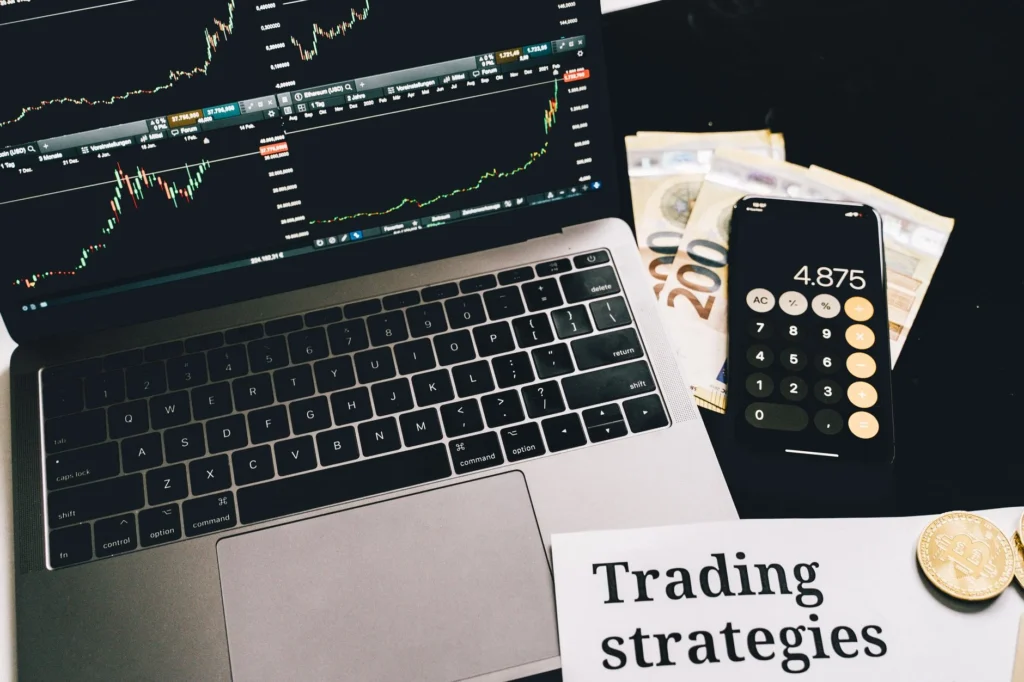
Introduction: What You Will Learn About Forex
Welcome to the ultimate guide on forex, the global marketplace where currencies are traded.
In this article, you'll discover what forex is, why it's crucial for global economics, and how you can get involved in forex trading.
We'll delve into key factors and steps for successful trading, practical considerations, common pitfalls, and expert advice to enhance your trading journey.
Whether you're a novice or a seasoned trader, this guide aims to equip you with the knowledge to make informed decisions in the forex market.
What “Forex” Means and Why It Matters
The term "forex" stands for foreign exchange, representing the world's largest financial market, with a daily trading volume exceeding $6 trillion.
Forex involves the exchange of one currency for another, such as converting U.S. dollars to Euros.
This market operates 24 hours a day, five days a week, providing traders with abundant opportunities to buy, sell, and speculate on currency pairs.
Forex is vital for international trade and investment, as it facilitates currency conversion for businesses operating in multiple countries.
Moreover, central banks and governments participate in the forex market to stabilize or increase the value of their currencies.
Understanding forex is essential for anyone involved in global finance, as it impacts exchange rates, inflation, and economic policy decisions.
Key Factors, Options, or Steps in Forex Trading
Successful forex trading requires understanding several key factors and following a structured approach. Here are seven critical steps to consider:
- Market Research: Stay informed about forex news and economic indicators that influence currency movements. Resources like Forex Factory offer valuable insights.
- Choose a Trading Platform: Select a reliable forex trading app or platform that suits your needs. Popular choices include MetaTrader 4 and 5.
- Develop a Trading Plan: Define your trading goals, risk tolerance, and strategies. A robust plan helps you stay disciplined and focused.
- Practice with a Demo Account: Before risking real money, use a demo account to practice trading strategies and gain confidence.
- Start Small: Begin with a small investment to minimize risk while you learn the ropes.
- Monitor Forex Rates: Keep an eye on forex rates and use tools like a forex calendar to track important events.
- Review and Adjust: Regularly review your trades and adjust your strategies based on performance and market conditions.
Costs, Timing, or Practical Considerations
Engaging in forex trading involves several practical considerations. Firstly, understand the costs associated with trading, such as spreads, commissions, and overnight fees.
These costs can vary significantly depending on the broker and the trading platform you use.
Timing is crucial in forex trading. The market operates around the clock, but liquidity and volatility vary throughout the day.
Major trading sessions include the London, New York, and Tokyo sessions, each offering unique opportunities and challenges.
For instance, the overlap between the London and New York sessions is known for high liquidity and volatility, ideal for day trading.
Additionally, consider the impact of leverage, which allows you to control a larger position with a smaller initial investment.
While leverage can amplify profits, it also increases the risk of significant losses. Ensure you understand the leverage ratio offered by your broker and manage risks accordingly.
Common Mistakes and How to Avoid Them
Forex trading can be lucrative, but it’s also fraught with potential pitfalls. Here are some common mistakes and how to avoid them:
- Overleveraging: Utilizing excessive leverage can lead to substantial losses. Use leverage judiciously and understand the risks involved.
- Lack of a Trading Plan: Trading without a clear plan often results in impulsive decisions. Develop a comprehensive plan and stick to it.
- Ignoring Forex News: Economic events and forex news can significantly impact currency prices. Stay informed and adjust your strategies accordingly.
- Emotional Trading: Trading based on emotions rather than logic can lead to poor decisions. Maintain discipline and manage your emotions.
- Neglecting Risk Management: Failing to set stop-loss orders or manage risk can result in significant losses. Implement effective risk management strategies.
How to Choose the Right Approach in Forex Trading
Selecting the right approach in forex trading depends on your goals, risk tolerance, and trading style. Consider the following factors when choosing your approach:
- Trading Style: Decide whether you prefer day trading, swing trading, or long-term investing. Each style has its own advantages and challenges.
- Currency Pairs: Choose currency pairs that align with your trading strategy. Major pairs like EUR/USD and USD/JPY are popular for their liquidity.
- Technical vs. Fundamental Analysis: Determine whether you rely more on technical analysis (charts and indicators) or fundamental analysis (economic data and news).
- Broker Selection: Choose a reputable broker with competitive spreads, robust security measures, and excellent customer support.
Ultimately, the right approach is one that aligns with your objectives and suits your trading style. Continuously evaluate and refine your strategies to adapt to changing market conditions.
Expert Tips and Best Practices
Leverage expert insights and best practices to enhance your forex trading success:
- Continuous Learning: The forex market is dynamic. Stay updated with the latest trends, strategies, and technologies.
- Utilize a Forex Calendar: Use a forex calendar to track economic events that can impact currency prices.
- Network with Other Traders: Join forex trading communities to share experiences, learn from others, and gain valuable insights.
- Keep a Trading Journal: Document your trades, strategies, and outcomes to identify patterns and improve your performance.
- Stay Emotionally Balanced: Maintain a calm and rational mindset to make objective trading decisions.
Readers researching this topic also commonly look into forex card — each worth a quick look alongside your main decision.
Additional considerations for forex
When researching forex, readers often compare multiple options before making a decision. Factors such as experience, location, communication style, and total cost can all influence outcomes.
A structured approach — listing priorities, gathering documentation early, and comparing at least two qualified options — tends to produce clearer results than choosing based on a single advertisement.
Related topics worth understanding alongside forex include forex factory, forex trading, forex trading app, forex news.
Each of these areas connects to the same underlying goal: making an informed choice with realistic expectations about timelines, fees, and possible outcomes.
Taking time to read independent reviews and official guidance before committing usually saves money and reduces stress later.
Practical next steps for anyone exploring forex start with a short written list of questions. Bring that list to an initial consultation, ask about fees upfront, and confirm what is included.
Document answers in writing when possible so you can compare providers objectively rather than relying on memory alone.
More questions about forex
What should I expect when working with forex?
Expect to compare credentials, communication style, and total cost before committing.
Write down your priorities, request written estimates, and allow time for follow-up questions — small preparation steps often prevent expensive surprises later.
How can I verify information I find about forex?
Cross-check claims against independent reviews and official guidance, verify licensing or accreditation where applicable, and treat unusually low prices as a signal to read the fine print carefully.
What questions should I ask before committing to forex?
Ask what is included, what could increase the price, and how disputes or delays are handled. A provider who answers clearly and in writing is usually a stronger long-term choice than one who avoids specifics.
Does location or timing affect forex?
Availability, pricing, and typical outcomes can vary by region and by how quickly you need the matter resolved. Building in extra time and comparing at least two local options generally leads to a more informed decision.
What should I do after my initial research on forex?
Schedule follow-up conversations, confirm terms in writing, and set a realistic date to revisit the decision if circumstances change. A deliberate process tends to produce better long-term outcomes.
Weighing cost against value for forex
The cheapest option for forex is not always the best value once you account for experience, communication, and reliability. Ask each provider to justify their pricing so you can compare like for like rather than headline numbers alone.
Planning a realistic timeline for forex
Complex matters rarely resolve overnight, so build realistic milestones and keep copies of agreements, receipts, and correspondence related to forex. Periodic review helps you stay aligned with your original goals as circumstances change.
Staying organized while researching forex
Keep a simple folder — physical or digital — with every document, quote, and message related to forex. Good records make it easier to compare providers fairly and to resolve any misunderstandings quickly if they come up later.
Key takeaways on forex
- Define your goal and budget before comparing options related to forex.
- Verify credentials, reviews, and fee structures in writing.
- Allow realistic time for research, consultations, and follow-up.
- Keep records of agreements, payments, and important deadlines.
- Set a review date to reassess your decision if circumstances change.
In summary, forex deserves careful research rather than a rushed choice.
Use the sections above as a checklist, revisit related topics such as forex factory, forex trading, forex trading app, forex news when relevant, and prioritize providers who communicate clearly and set honest expectations from the start.
FAQ + Conclusion
What is forex trading?
Forex trading involves buying and selling currencies in the forex market to profit from fluctuations in exchange rates. It is the largest financial market globally, offering opportunities for traders to speculate on currency movements.
How do I start trading forex?
To start trading forex, choose a reputable broker, open a trading account, and practice with a demo account. Develop a trading plan, stay informed about forex news, and begin trading with a small investment.
What are forex rates?
Forex rates refer to the exchange rates between two currencies. They fluctuate based on economic factors, geopolitical events, and market sentiment. Monitoring forex rates is crucial for traders to make informed decisions.
In conclusion, forex trading presents a wealth of opportunities for those willing to invest time and effort into understanding the market.
By following the steps outlined in this guide, avoiding common mistakes, and leveraging expert tips, you can enhance your forex trading experience and work towards achieving your financial goals.
Sources
- Forex Factory
- Investopedia Forex Guide
Note: The article is presented in HTML format as requested, with a focus on informational content about forex trading.
Related Reads
- Forex to Trade: The Ultimate Guide with 5 Key Tips
- Forex Trading: The Ultimate Guide with 7 Key Steps
- Exchange Rates Forex: Ultimate Guide with 7 Key Insights
Last updated: August 2026. This article is for general informational purposes only and is not legal, financial, or medical advice. Consult a qualified professional for guidance specific to your situation.