1 US Dollar in Indian Currency: Amazing Facts & Insights
- Introduction: Understanding 1 US Dollar in Indian Currency
- What “1 US Dollar in Indian Currency” Means and Why It Matters
- Key Factors, Options, or Steps in Currency Conversion
- Costs, Timing, or Practical Considerations
- Common Mistakes and How to Avoid Them
- How to Choose the Right Approach
- Expert Tips and Best Practices
- Additional considerations for 1 us dollar in indian currency
- More questions about 1 us dollar in indian currency
- What should I expect when working with 1 us dollar in indian currency?
- How can I verify information I find about 1 us dollar in indian currency?
- What questions should I ask before committing to 1 us dollar in indian currency?
- Does location or timing affect 1 us dollar in indian currency?
- What should I do after my initial research on 1 us dollar in indian currency?
- Weighing cost against value for 1 us dollar in indian currency
- Planning a realistic timeline for 1 us dollar in indian currency
- Staying organized while researching 1 us dollar in indian currency
- Key takeaways on 1 us dollar in indian currency
- FAQ
- What is the current exchange rate of 1 US dollar in Indian currency?
- How can I get the best exchange rate for USD to INR?
- Are there any hidden fees in currency conversion?
- Conclusion
- Sources
- Related Reads
Last updated: August 2026. Compiled and reviewed by our editorial team using publicly available official sources.
Introduction: Understanding 1 US Dollar in Indian Currency
In the ever-evolving world of finance, understanding the value of 1 US dollar in Indian currency is crucial for anyone engaged in international trade, travel, or investment.
This guide aims to provide you with a comprehensive understanding of the current exchange rate, factors influencing it, and practical tips for currency conversion.
As economies across the globe are interconnected, the exchange rate between the US dollar and the Indian rupee plays a significant role in shaping economic decisions.
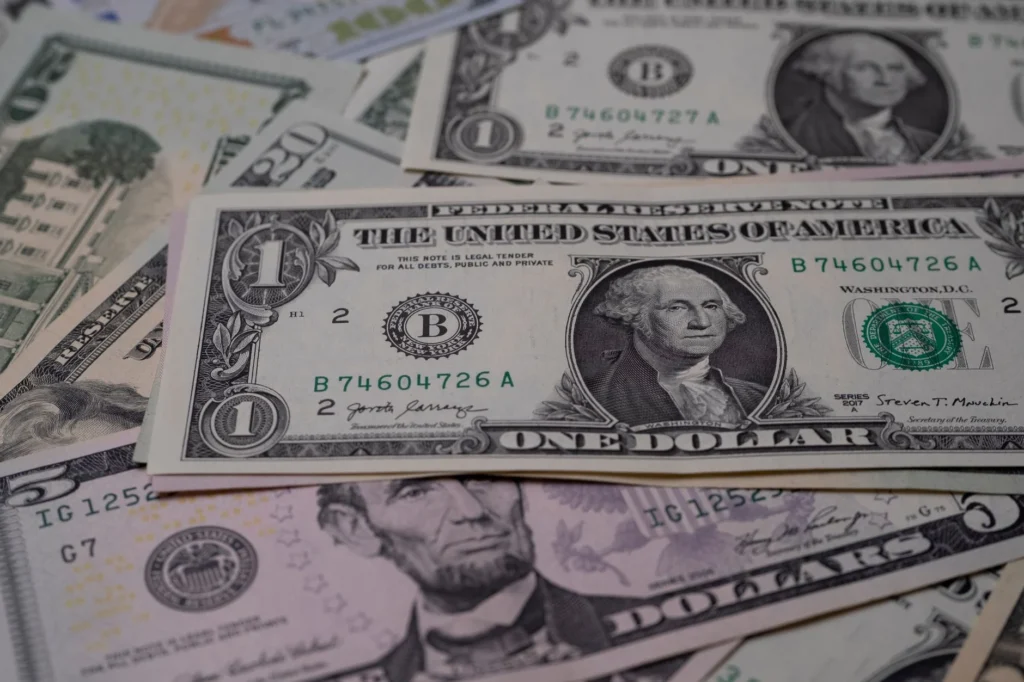
Whether you are planning a trip to India, investing in the Indian market, or simply curious about currency exchange, this article will equip you with the knowledge you need.
We will explore the significance of the exchange rate, the factors that impact it, and provide expert tips to help you make informed decisions.
What “1 US Dollar in Indian Currency” Means and Why It Matters
The phrase "1 US dollar in Indian currency" refers to the exchange rate between the US dollar and the Indian rupee.
This rate indicates how many Indian rupees you would receive in exchange for one US dollar.
As of the latest data, the exchange rate fluctuates around 75-80 INR per USD, but this can vary due to multiple factors.
Understanding this exchange rate is crucial for several reasons.
It affects the cost of imports and exports between the US and India, influences foreign investment decisions, and impacts travelers' expenses.
For example, if the US dollar strengthens against the Indian rupee, American goods become more expensive for Indian consumers, potentially reducing demand.

Furthermore, exchange rates are influenced by economic indicators such as inflation, interest rates, and political stability.
Keeping an eye on these factors can help individuals and businesses make strategic decisions regarding currency conversion.
Key Factors, Options, or Steps in Currency Conversion
Several key factors influence the exchange rate between the US dollar and the Indian rupee. Understanding these can help you better predict changes and make informed decisions. The primary factors include:
- Economic Indicators: Inflation rates, GDP growth, and employment statistics can significantly impact exchange rates. A robust economy often leads to a stronger currency.
- Political Stability: Political events such as elections, policy changes, and international relations can cause fluctuations in exchange rates. Investors prefer stable environments, which can strengthen a currency.
- Interest Rates: Higher interest rates offer lenders a better return relative to other countries. Thus, higher rates attract foreign capital, increasing the currency’s value.
When considering currency conversion, it is essential to monitor these factors and consult reliable financial news sources.
Additionally, using currency conversion services or apps can provide real-time exchange rates and facilitate seamless transactions.
Costs, Timing, or Practical Considerations
Converting 1 US dollar into Indian currency involves certain costs and timing considerations. Currency conversion typically includes fees or commissions charged by banks or currency exchange services.
For example, banks might charge a flat fee or a percentage of the transaction amount.
Timing also plays a crucial role in currency conversion. Exchange rates fluctuate throughout the day based on market conditions, so choosing the right time to convert currency can save money.
For instance, converting when the dollar is strong against the rupee will yield more rupees per dollar.
Practical considerations include choosing a reliable service provider and understanding the terms of the transaction.
Some services offer better rates for larger amounts or during specific times, so it's wise to shop around and compare options.
Common Mistakes and How to Avoid Them
When converting currency, several common mistakes can lead to financial loss. One frequent mistake is not comparing exchange rates from different providers.
Rates can vary significantly between banks, online platforms, and currency exchange kiosks.
Another mistake is neglecting to account for transaction fees. Always read the fine print to understand any additional costs involved in the conversion process.
Additionally, failing to consider the timing of the conversion can result in unfavorable rates.
To avoid these pitfalls, research multiple providers, compare rates and fees, and plan conversions during periods of favorable exchange rates. Staying informed about economic trends can also help you make better decisions.
How to Choose the Right Approach
Choosing the right approach for currency conversion depends on your specific needs and circumstances. For travelers, convenience might be a priority, while investors might focus on minimizing costs.
Consider your goals and the amount you plan to convert. For small amounts, convenience might outweigh cost savings, while for larger sums, finding the best rate becomes more critical.
Use online tools to monitor exchange rate trends and set alerts for favorable rates.
Additionally, consider using specialized currency exchange services that cater to your specific requirements, whether it's travel, investment, or business-related.
These services might offer tailored solutions and better rates than traditional banks.
Expert Tips and Best Practices
To optimize your currency conversion experience, consider these expert tips and best practices:
- Stay Informed: Regularly check financial news and updates on exchange rates. Websites like XE.com provide real-time rates and insights.
- Use Technology: Leverage currency conversion apps to monitor rates and execute transactions quickly and efficiently.
- Plan Ahead: If possible, plan your conversions in advance to take advantage of favorable rates and avoid last-minute fees.
By following these tips, you can maximize the value of your currency conversions and avoid unnecessary costs.
Additional considerations for 1 us dollar in indian currency
When researching 1 us dollar in indian currency, readers often compare multiple options before making a decision.
Factors such as experience, location, communication style, and total cost can all influence outcomes.
A structured approach — listing priorities, gathering documentation early, and comparing at least two qualified options — tends to produce clearer results than choosing based on a single advertisement.
Beyond the basics, it helps to understand how 1 us dollar in indian currency connects to the broader decision you are making: realistic expectations about timelines, fees, and possible outcomes matter as much as the initial choice.
Taking time to read independent reviews and official guidance before committing usually saves money and reduces stress later.
Practical next steps for anyone exploring 1 us dollar in indian currency start with a short written list of questions.
Bring that list to an initial consultation, ask about fees upfront, and confirm what is included.
Document answers in writing when possible so you can compare providers objectively rather than relying on memory alone.
More questions about 1 us dollar in indian currency
What should I expect when working with 1 us dollar in indian currency?
Expect to compare credentials, communication style, and total cost before committing.
Write down your priorities, request written estimates, and allow time for follow-up questions — small preparation steps often prevent expensive surprises later.
How can I verify information I find about 1 us dollar in indian currency?
Cross-check claims against independent reviews and official guidance, verify licensing or accreditation where applicable, and treat unusually low prices as a signal to read the fine print carefully.
What questions should I ask before committing to 1 us dollar in indian currency?
Ask what is included, what could increase the price, and how disputes or delays are handled. A provider who answers clearly and in writing is usually a stronger long-term choice than one who avoids specifics.
Does location or timing affect 1 us dollar in indian currency?
Availability, pricing, and typical outcomes can vary by region and by how quickly you need the matter resolved. Building in extra time and comparing at least two local options generally leads to a more informed decision.
What should I do after my initial research on 1 us dollar in indian currency?
Schedule follow-up conversations, confirm terms in writing, and set a realistic date to revisit the decision if circumstances change. A deliberate process tends to produce better long-term outcomes.
Weighing cost against value for 1 us dollar in indian currency
The cheapest option for 1 us dollar in indian currency is not always the best value once you account for experience, communication, and reliability.
Ask each provider to justify their pricing so you can compare like for like rather than headline numbers alone.
Planning a realistic timeline for 1 us dollar in indian currency
Complex matters rarely resolve overnight, so build realistic milestones and keep copies of agreements, receipts, and correspondence related to 1 us dollar in indian currency.
Periodic review helps you stay aligned with your original goals as circumstances change.
Staying organized while researching 1 us dollar in indian currency
Keep a simple folder — physical or digital — with every document, quote, and message related to 1 us dollar in indian currency.
Good records make it easier to compare providers fairly and to resolve any misunderstandings quickly if they come up later.
Key takeaways on 1 us dollar in indian currency
- Define your goal and budget before comparing options related to 1 us dollar in indian currency.
- Verify credentials, reviews, and fee structures in writing.
- Allow realistic time for research, consultations, and follow-up.
- Keep records of agreements, payments, and important deadlines.
- Set a review date to reassess your decision if circumstances change.
In summary, 1 us dollar in indian currency deserves careful research rather than a rushed choice. Use the sections above as a checklist, and prioritize providers who communicate clearly and set honest expectations from the start.
FAQ
What is the current exchange rate of 1 US dollar in Indian currency?
The current exchange rate fluctuates around 75-80 INR per USD, but it can vary daily due to market conditions.
How can I get the best exchange rate for USD to INR?
Compare rates from multiple providers, monitor market trends, and use currency conversion apps to find the best rates.
Are there any hidden fees in currency conversion?
Yes, currency conversion can include hidden fees such as transaction charges. Always check the terms and conditions before proceeding.
Conclusion
Understanding the value of 1 US dollar in Indian currency is essential for informed financial decisions in today's global economy.
By considering key factors, costs, and expert advice, you can navigate currency conversion effectively and maximize your financial outcomes.
For further reading, explore our related articles on currency exchange and market insights.
Sources
For more detailed information, visit Reserve Bank of India for official exchange rates and economic updates.
Related Reads
- 1 United States Dollar to Indian Rupee: Amazing Insights & Facts
- Survey Mastery: 5 Proven Steps to Success
- Survey Market Research: Ultimate Guide with 5 Key Steps
Last updated: August 2026. This article is for general informational purposes only and is not legal, financial, or medical advice. Consult a qualified professional for guidance specific to your situation.